

November 25, 2026

Everyone quotes the Google Play developer account price — $25, one time — but almost nobody itemizes what that $25 actually buys. Is it just a toll booth, or genuine value? And what are the total costs of holding the account year after year? This guide answers both: a feature-by-feature inventory of what the fee unlocks, the ongoing costs most developers forget, and an honest comparison against Apple and alternative stores — so you can judge whether that $25 is the bargain it appears to be.
In short: The Google Play developer account price is a $25 one-time fee with no renewal, and it buys unlimited publishing, the full Play Console toolkit, Play Billing, and distribution to 190+ countries. The real ongoing costs are the 15%/30% service fees on revenue and your time on policy — not the registration fee itself.
The Google Play developer account price is a $25 USD one-time registration fee. No annual renewal, no per-app charges, no tiered plans. Pay once and the account is yours indefinitely, provided you stay within Google Play policy. If you want the line-item economics (service fees, taxes, payout thresholds), our developer account cost breakdown covers every dollar — this article focuses on value: what the money unlocks.
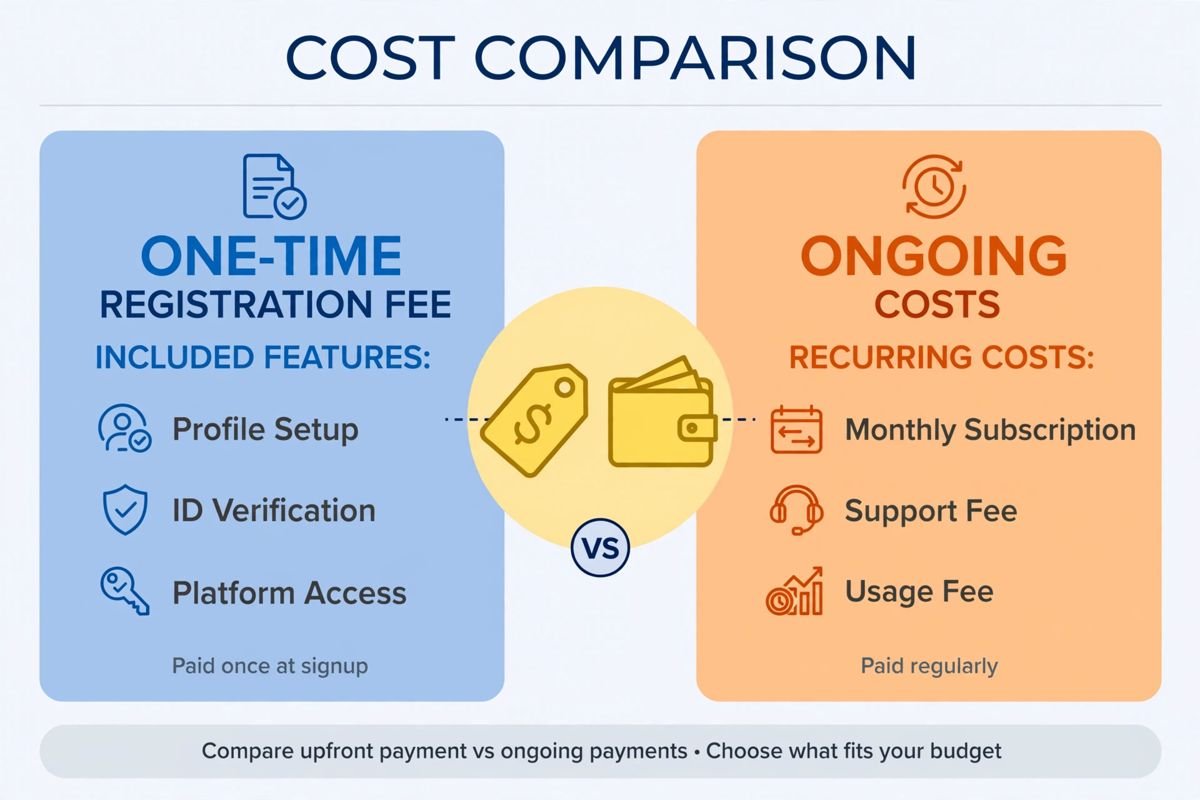
The headline value: publish as many apps and games as you want under one account, forever, at no additional cost. Studios routinely manage 20, 50, even 100+ listings from a single $25 account. On a per-app basis, the second app you publish makes the fee effectively $12.50; the tenth makes it $2.50.
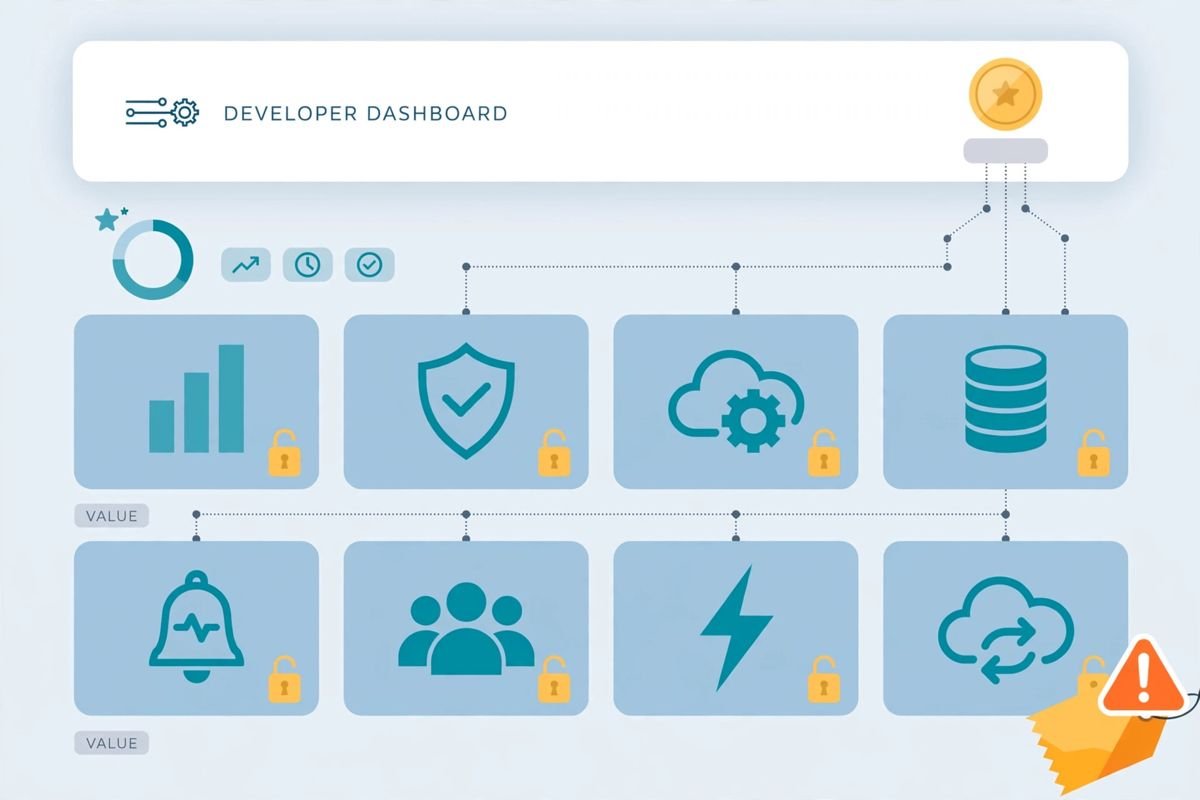
Your $25 unlocks the entire professional publishing platform:
Individually, tools like automated device testing and A/B testing would cost hundreds per month as third-party services. Bundled here, they’re part of the $25.
Declaration center, content rating questionnaires, data safety forms, policy status dashboards — the unglamorous machinery that keeps you on the right side of enforcement. Given that a single termination ends the account permanently, this tooling’s value is best measured in disasters avoided.
One upload reaches Google Play’s global footprint — over 190 markets, billions of devices. No per-country fees, no regional developer programs to join. For an indie developer, this distribution reach per dollar is unmatched in software.
Honest value assessment requires the full cost of ownership:
None of these are Google “fees” in the registration sense, but they’re real costs of holding and operating the account. Budget them like line items.
The table below summarises the ongoing costs:
| Ongoing cost | Details described |
|---|---|
| Service fees | 15% on the first $1M of annual earnings, 30% above; 15% on subscriptions from day one |
| 14-day closed test (new personal accounts) | 12+ testers for 14 days before production unlocks; free in money, expensive in calendar time and coordination effort |
| Tax compliance | Forms are free, but professional help runs $50–$300+ in some jurisdictions; incomplete paperwork delays payouts |
| Your time on policy | Declarations, data safety forms, review responses — a few hours monthly |
| Google Play | Apple App Store | Amazon Appstore | Samsung Galaxy Store | |
|---|---|---|---|---|
| Registration | $25 one-time | $99/year | Free | Free |
| 5-year registration cost | $25 | $495 | $0 | $0 |
| Revenue share (standard) | 15% / 30% | 15% / 30% | 30% | 30% |
| Per-app fees | None | None | None | None |
| New-developer testing gate | 14-day closed test | None | Review only | Review only |
Google Play wins decisively on registration cost — $25 once vs. $495 over five years at Apple. Revenue shares are now broadly comparable across stores (the 15%-under-$1M tier is industry standard). The “free” alternative stores look cheaper until you factor in their fraction of the audience: Google Play’s reach is the value multiplier that makes the $25 trivial.
The honest math: for a free app, total five-year platform cost is $25 at Google vs. $495 at Apple. For an app earning $100k/year, service fees dominate ($15k/year each) and registration cost is a rounding error — pick stores by audience, not by signup fee.
Most developers leave value on the table. The highest-ROI uses of the account:
Our Android developer console feature tour maps every section so you can find the tools you’re currently ignoring.
You’ll encounter sellers offering “pre-verified” accounts for less than $25, or “no-fee” registration services. The economics are simple: Google’s price is already the floor. Anyone undercutting it is selling stolen accounts, shared credentials, or harvesting your identity documents. Purchased accounts are routinely terminated — taking apps, reviews, and revenue with them — and associated-account bans can poison your legitimate future accounts too. The $25 paid directly to Google is the cheapest legitimate price that exists.
Best value: indie developers and studios publishing multiple apps — the fee amortizes to nearly zero per app, and the free tooling (pre-launch reports, A/B testing, vitals) replaces paid services. Hobbyists publishing a single free app also do well: $25 for global distribution is unbeatable.
Worst value: developers who pay the fee and never publish — the account sits idle while policy requirements evolve. Also poor value: anyone who immediately violates policy and gets terminated. The $25 doesn’t buy forgiveness; it buys access, and access is revoked for impersonation, deceptive behavior, or data violations. Protect the investment with basic policy hygiene.
Break-even thinking: a single paid app selling 100 copies at $2.99 (~$254 after the 15% service fee) recoups the registration fee ten times over. The fee is recouped almost immediately by any monetized app — which is why the real budgeting conversation is about service fees and time, not the $25.
Yes. It’s a single $25 USD charge per account, never renewed. The only recurring costs are Google Play’s service fees on revenue (15%/30%) — there are no subscription or per-app fees.
Unlimited app publishing, the full Play Console (release tracks, pre-launch reports, A/B testing, vitals, review tools), Play Billing monetization infrastructure, and distribution to 190+ countries — permanently.
On registration: dramatically — $25 once vs. $99/year ($495 over five years). On revenue share: comparable (15% under $1M, 30% above at both). For free apps, Google Play is the cheapest major store by far.
No monetary recurring fees. You must keep meeting policy requirements (target API levels, declaration updates), which costs time but not money. Accounts aren’t charged for inactivity.
No — the fee is non-refundable regardless of usage. But at $25 once, an unused account is the cheapest shelfware in your business.
The Google Play developer account price is one of the genuine bargains in software: $25 once for unlimited publishing, professional tooling, and global distribution. The fee itself is almost never the wrong decision — the expensive mistakes are everything around it: unbudgeted service fees, skipped testing, neglected policy. Price the whole picture, extract the full value of the tooling, and that $25 becomes the best money your app business ever spends.
Play Console Store is an independent marketplace helping Android developers get full value from Play Console — account setup, closed testing coordination, publishing support, and policy compliance. Explore our services.